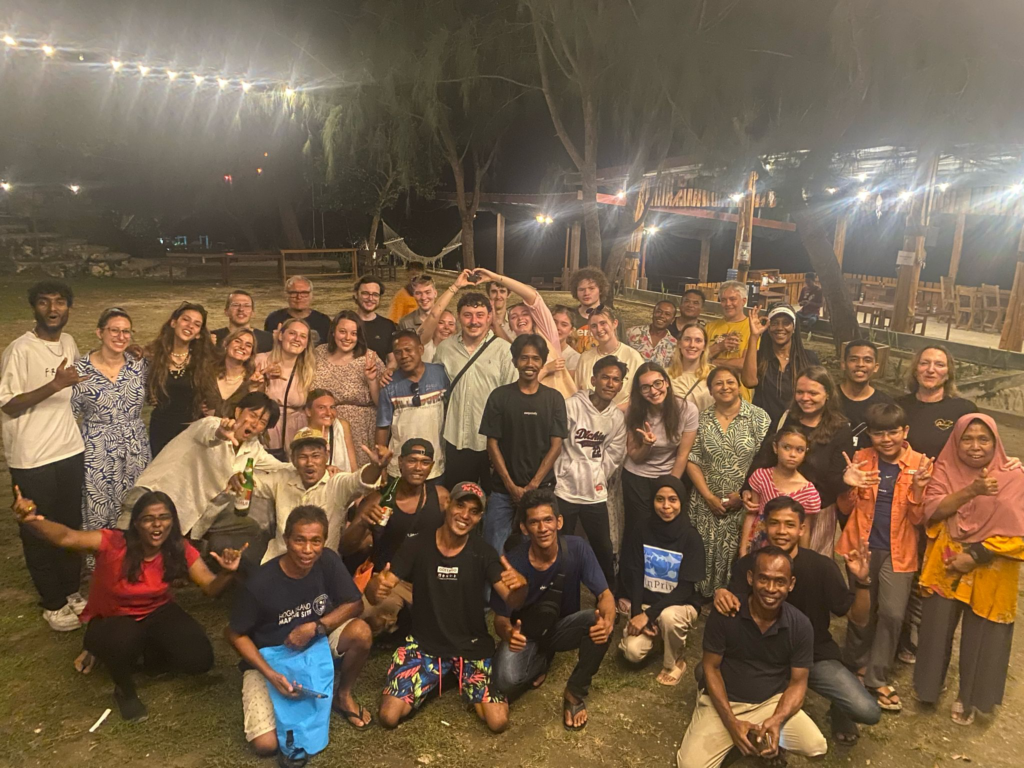
The scientific diver journey continues in Indonesia:
1. Arrival
After months of preparations, March finally arrived and it was time to embark on an expedition to Bau Bau! Myself and Richard joined Jon and the University of Essex students from Marine field research skills course on this unique journey to learn open water diving and experience the tropical coral paradise.
Getting to Bau Bau is a difficult two-day four-flights journey so I had a bit of an advantage as I arrived two weeks before the rest of the group. Buton island has a tiny airport with only 2 flights every day and we arrived on a very small airplane some like to call a bus with wings 😁. This short flight from Makassar rewarded us with views of loads of stunning islands as well as Bau Bau town. Tired but full of expectations the whole group got to Nirwana resort in the late afternoon.

2. Opwall diving centre

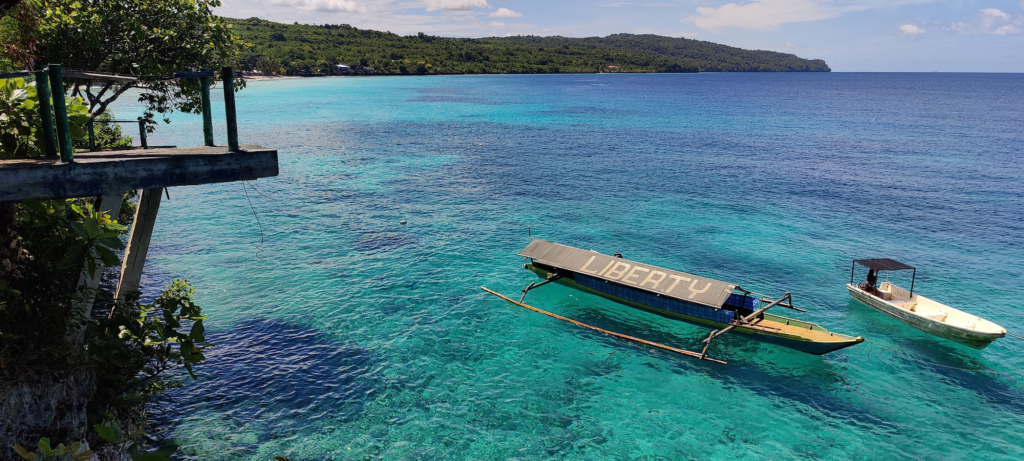
The resort and diving centre are located on Nirwana beach and we spent majority of the trip there. The accommodation was simple but didn’t lack anything besides maybe warm water in the shower which took a bit of getting used to. However, the extremely hot and humid days made this task easier. No creepy crawlies were present in the rooms, perhaps thanks to the cute little gecko friends that could be found everywhere!
The whole area was very open, there were close rooms, the dining area and classroom were fully outdoor with just a roof over them. This makes sense once you realise how hot it gets. The food consisted from a lot of rice usually paired with tofu or tempeh, some veggies and fruit grown on the island, for example a pineapple. And let’s not forget about the breakfast pancakes!
3. SCUBA!
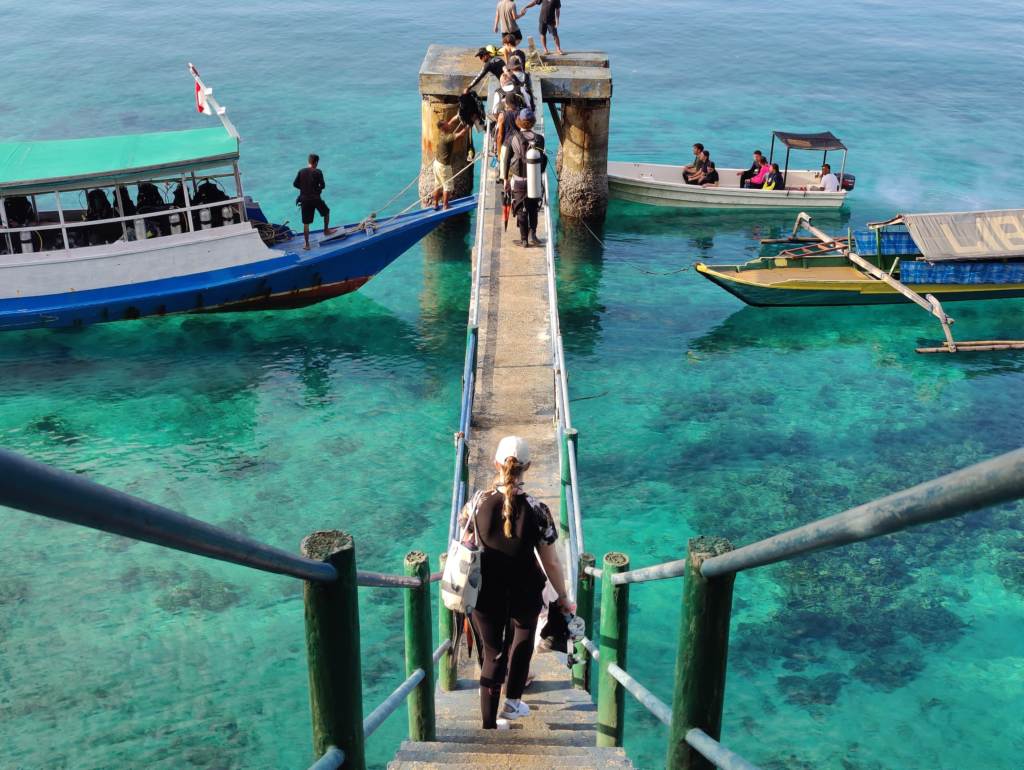
The first week was especially busy consisting of very early breakfast, 2 training dives and marine ID lectures. Thanks to the referral course, I could go straight to open water diving, meaning the next day after arrival I was already kitted up at 7:30am and ready to go. The initial nervousness was quickly replaced by excitement when I spotted a family of anemone fish. Turns out I received excellent preparation on my confined water dives as I completed all the skills without any trouble and felt completely relaxed on all my dives. The only minor problem was posed by my brand new and way too buoyant wetsuit which required many weights for me to be able to dive (at least initially).

I only needed 4 qualifying dives to receive my diver certificate and two days later it was done! I learned new skills along the way as well, I found the boat entry to be the scariest one but after two attempts I got comfortable with that too and it actually ended up being quite fun.

With my shiny new qualification, I was allowed to join the experienced diver group and visit all the local dive sites exploring coral walls and reefs. The rest of the week was recreational dives, doing some ID here and there, perfecting all the skills and marvelling at underwater nature. I was very excited to see my first wild moray eel and lion fish. I attempted to learn species ID along with the other students but was easily carried away just looking at all the pretty fish.
4. Marine science and scientific diving
In-between the dives, we had a variety of lectures on marine ID, the importance of divers collecting data and how to take part in scientific diving ourselves. Opwall is doing a lot of research and investing a lot of time into saving the local reefs. Our group started with an easier task: laying the transect tape. This maybe sounds obvious but while practising on land for the first time ever, pretty much every group failed to do it correctly. After fixing the mistakes and coming up with a half reasonable plan we had a go underwater as well. Safe to say, the transect was nowhere near straight but it wasn’t a complete fail either.

5. On land
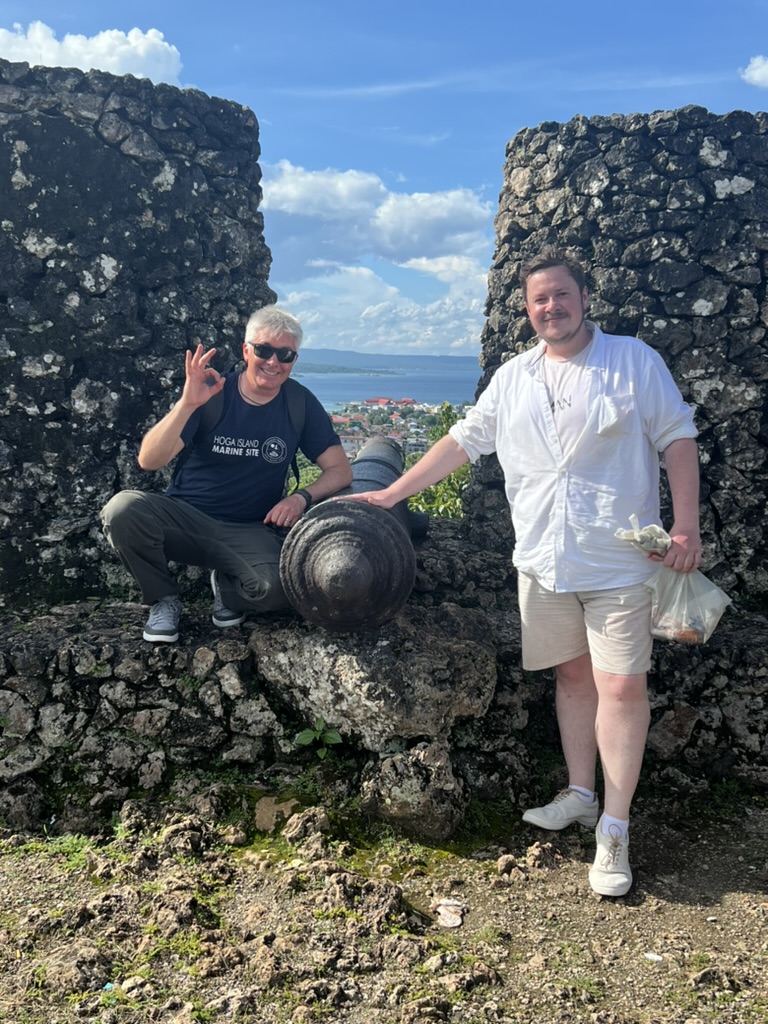
Our visit coincided with Eid, the whole group was very kindly invited to join the mayor of Bau Bau for lunch. The immense hospitality of Indonesian people doesn’t stop there as we received another lunch invitation from one of the members of the dive centre. The de-gas day was therefore spent submerged in very tasty food and desserts. Some of the meals were truly intriguing, I am still undecided on how I feel about the fruit salad with condensed milk, mayo and cheese. Following the feast, there was a short stop at a hilltop fort on the way back to take in the views.

Thanks to my constant nagging, we eventually sat down for a game of Finspan. There isn’t a more fitting board game for a diving trip. It got a whole new dimension as well, now that I’ve seen some of the fish myself. I came last but I will believe it’s because of my excellent rules explanation and teaching skills.

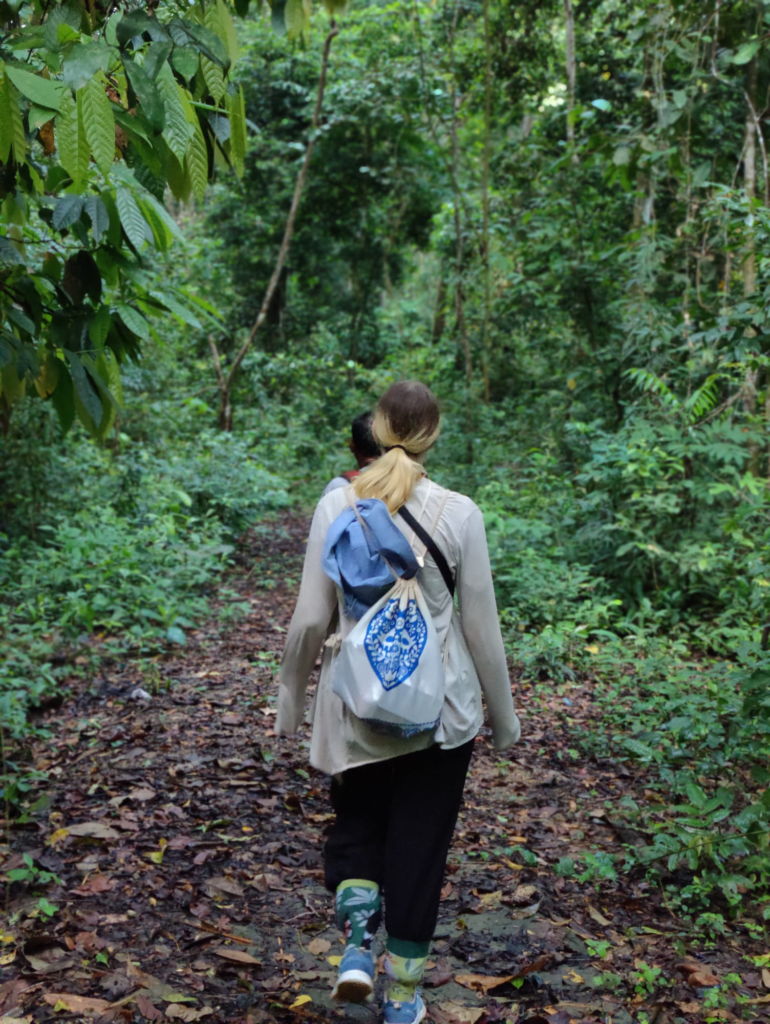
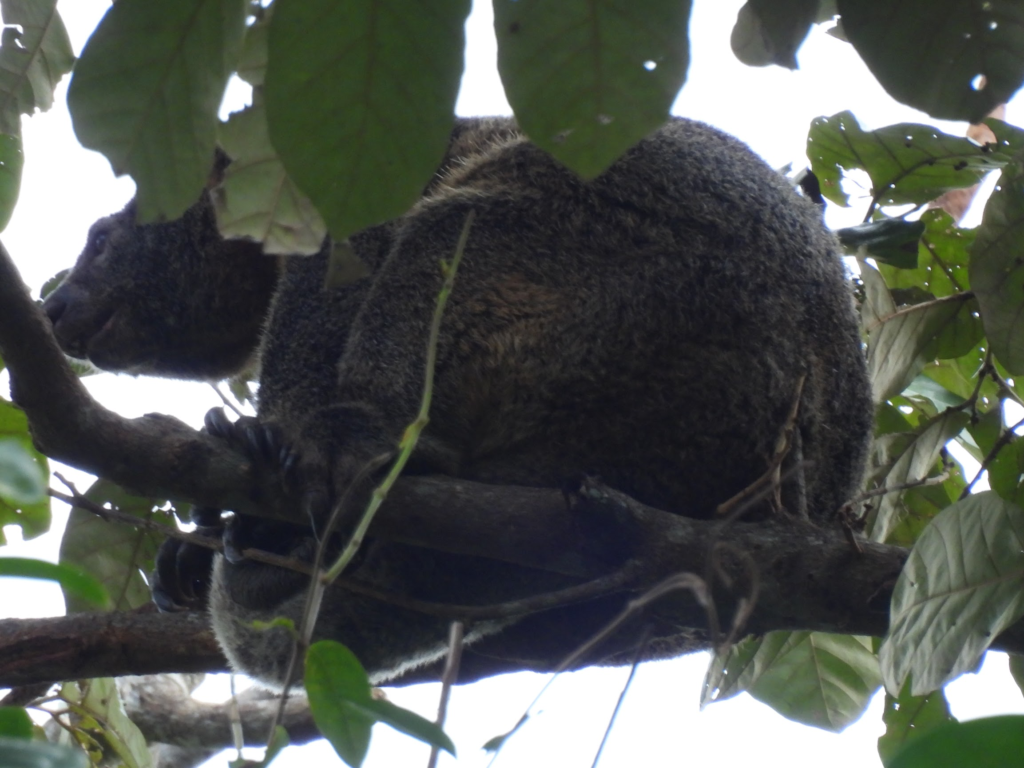
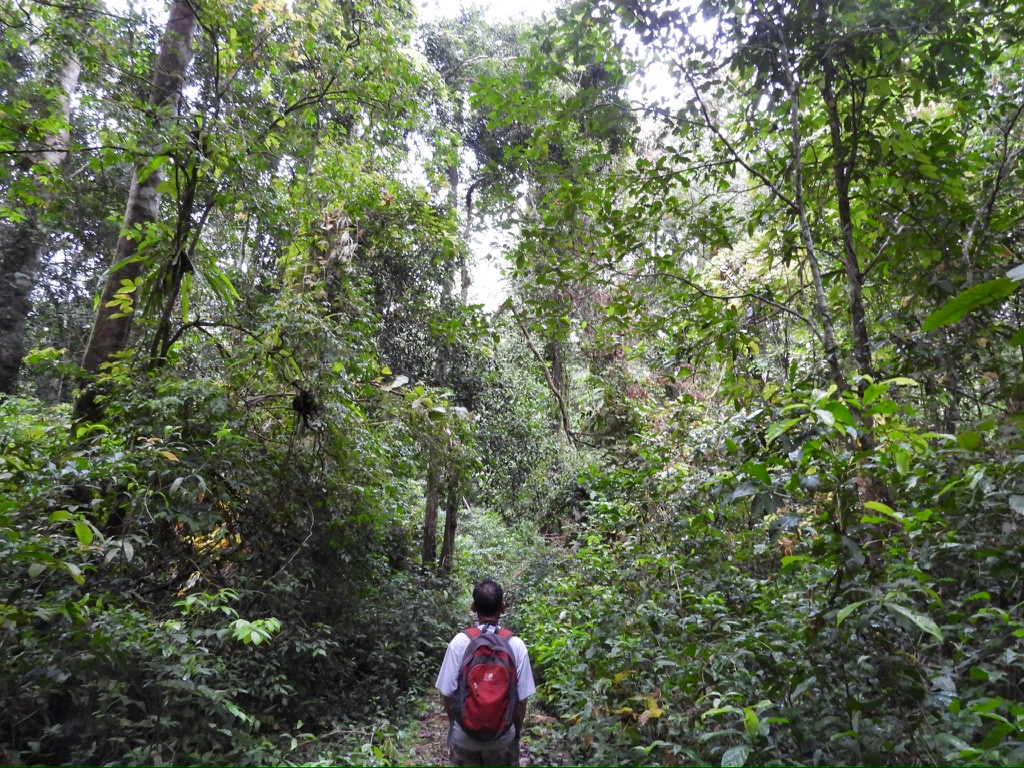
There is much more to Buton Island than “just” the sea. Me and Richard got to spend a few hours with a local bird guide on a walk through jungle to see some endemic birds. Although there were loads of birds singing, we only got to see a few, for example a pair of green imperial pigeons. We also spotted bear cuscus high in the trees. We heard hornbills but they remained elusive. Later in the week I also got to observe collared kingfisher and a very loud flock of lemon bellied white eyes.


6. Scientific projects
Second week was dedicated to student projects. Everyone got to propose a study, collect data while diving and analyse it. This was a whole new challenge. With recreational diving, you just get to enjoy the scenery but with scientific diving you need to get quite close to the reef and carefully take photos or survey the area. At the end of the week, all the groups presented their findings including myself talking a bit about colour underwater.
I work with a lot of underwater data but this was the first time I got to collect it myself. This was no easy feat, there are so many moving parts. You need to be careful not to sink to the seabed, not to float up too much, not to bump into coral with equipment all while taking usable photos. This made me admire the people I work with even more as they regularly survey large areas or shipwrecks and collect amazing footage.

7. Goodbye Bau Bau
Two weeks flew by and suddenly it was time to go home. The expedition came with its challenges but I am very glad I got the opportunity to come here and see this part of the world. It can be quite scary to be so far away from home and familiar things but there was a fantastic team of people to support everyone. I learnt new things and gained many skills which I otherwise wouldn’t without my job and PhD.
Until next time!