
Field season 2024
Back in July 2024, we began fieldwork for the current research of North Norfolk’s chalk reef ecosystem. This research aims to further our understanding of the ecological significance of chalk reef ecosystems in relation to the topography of the seabed. Biological samples and photogrammetric data are essential to carry out this interdisciplinary research.
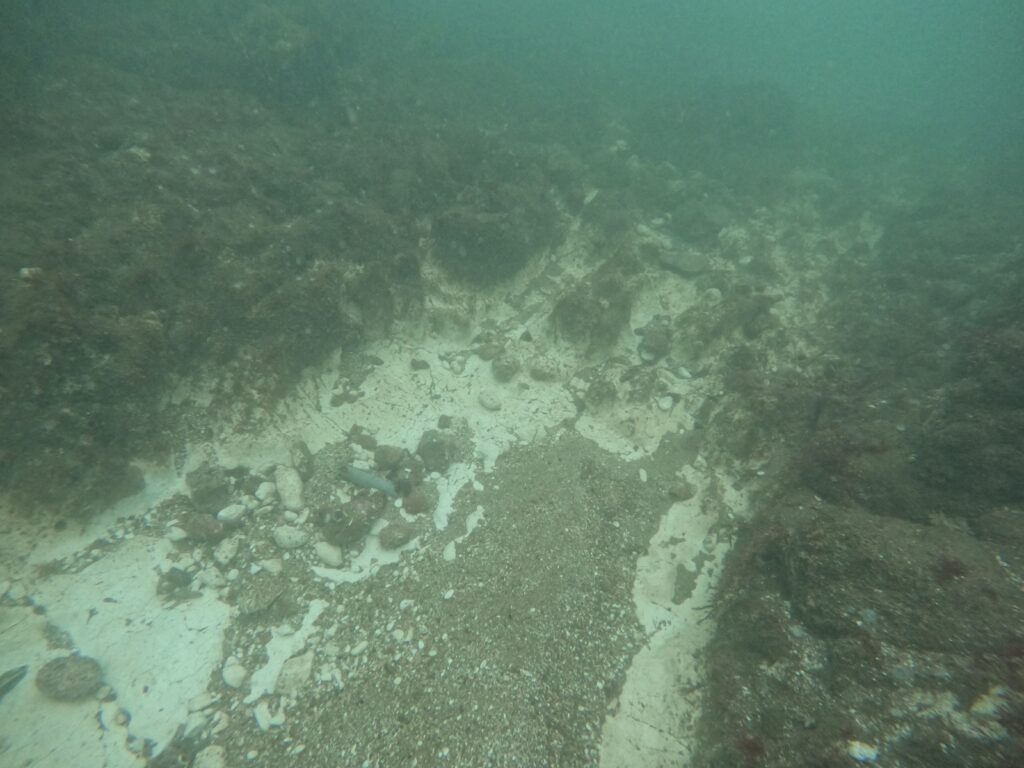
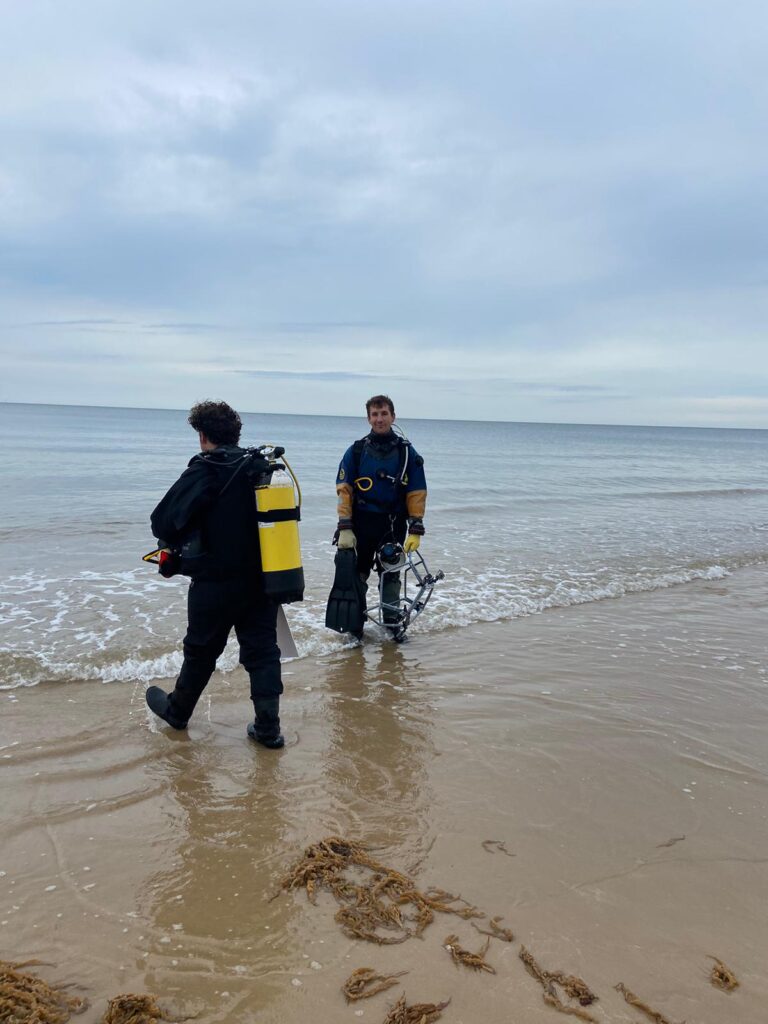
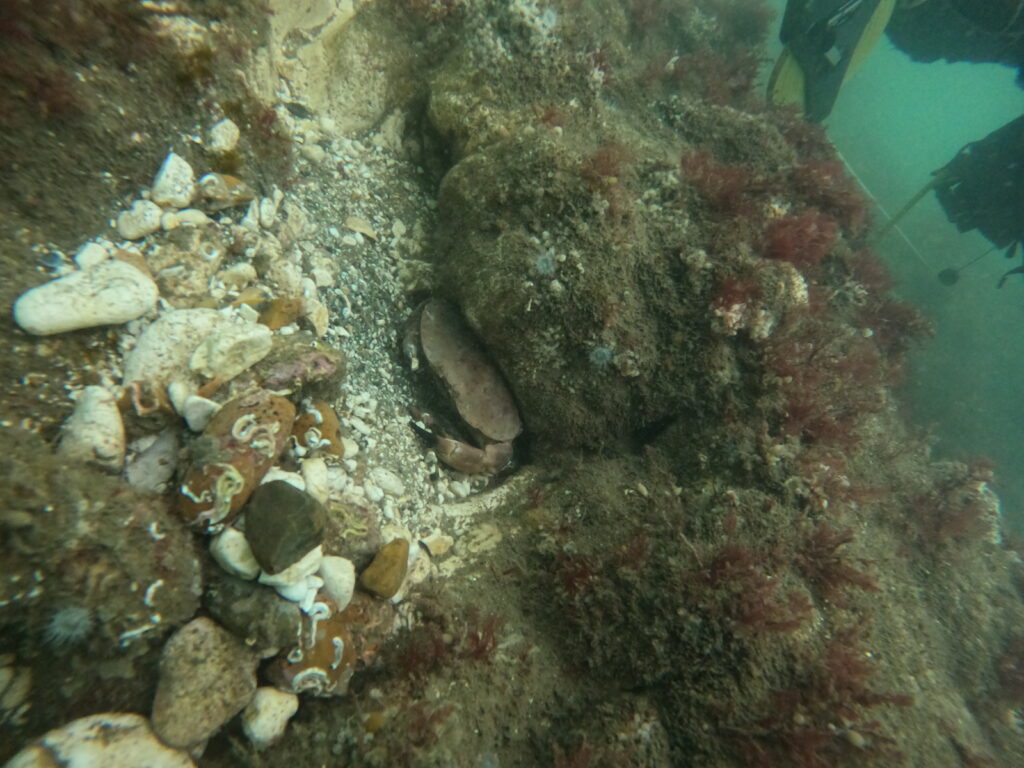
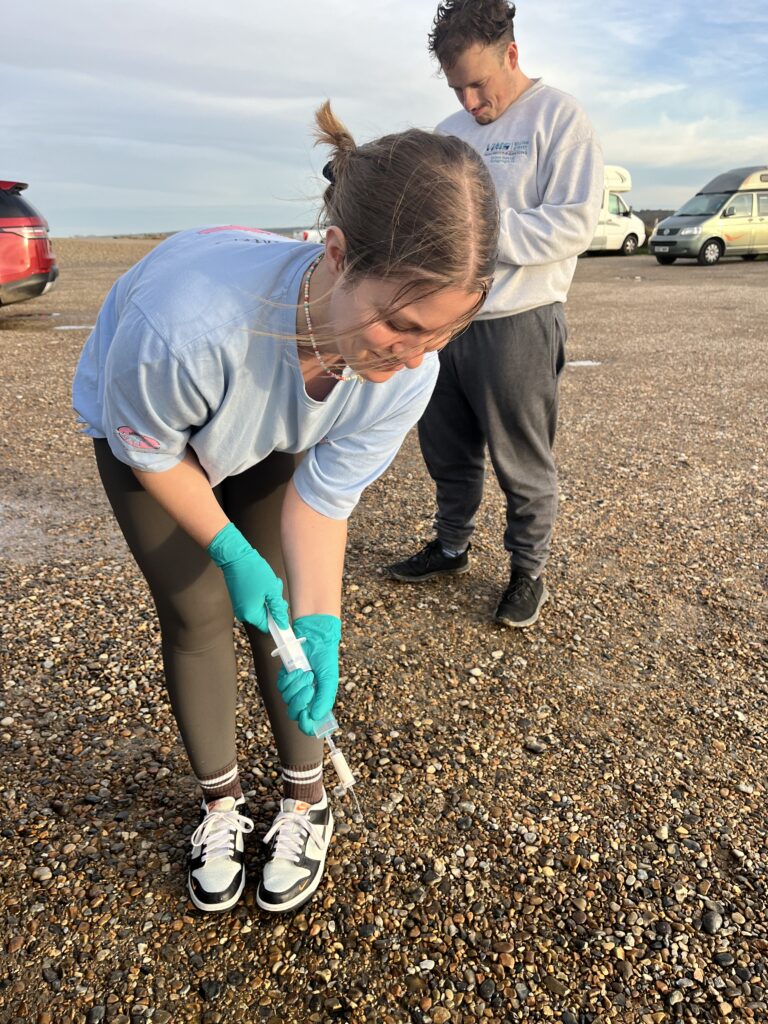
Data collection required an experienced SCUBA dive team of UoE PhD researchers and a dedicated UoE Alumni to carry out underwater surveys. One dive team focused on the collection of seabed surface sediment and water samples for eDNA analysis, whilst the other team carried out benthic videos using the 5-camera apparatus (called ‘URCHIN’) for topographic complexity measurements from virtual reconstructions of the marine environment.
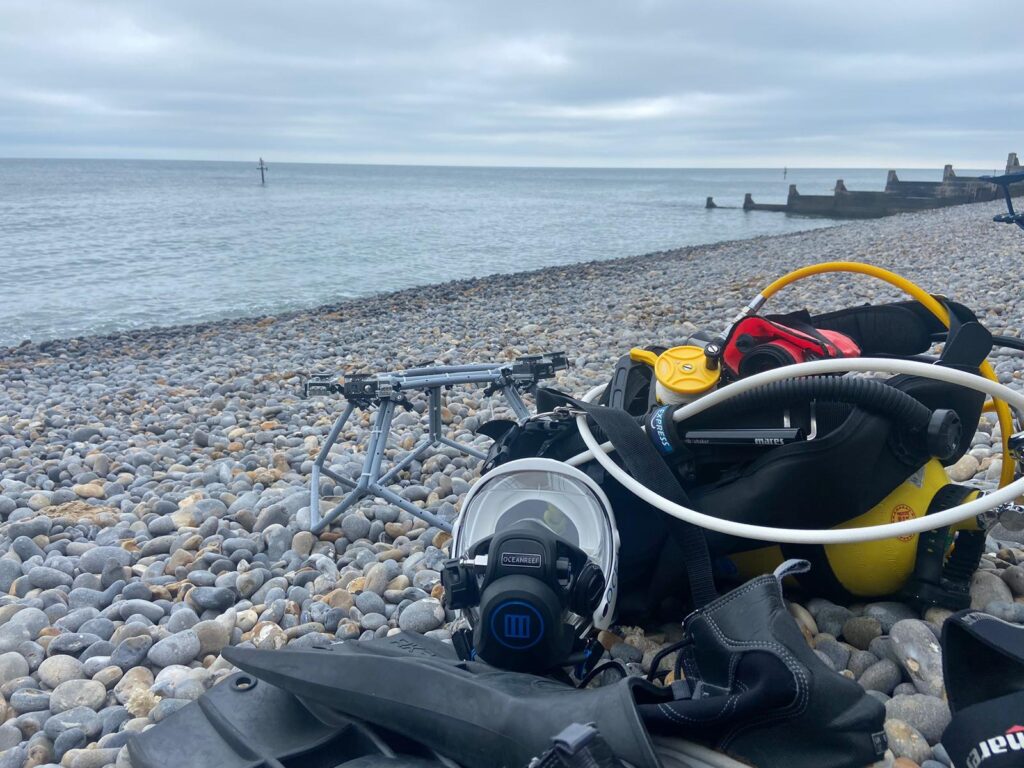
The team successfully completed three field trips during the 2024 dive season across Sheringham, East Runton and Cley Next the Sea, with data being obtained from numerous chalk and non-chalk habitats.
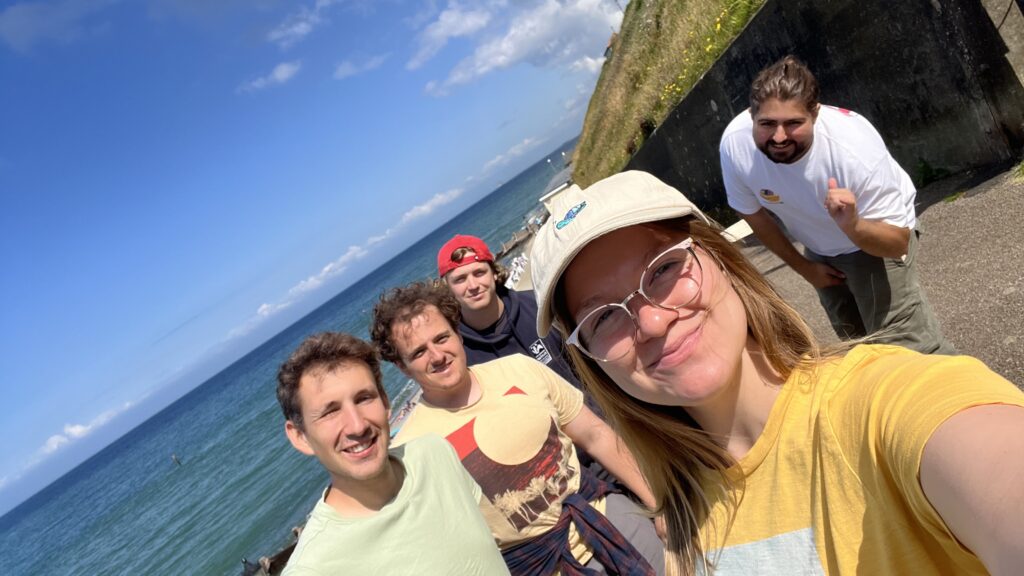
The nature of SCUBA diving fieldwork comes with various obstacles to overcome, such as weather and sea conditions, tide times, underwater visibility, team availability, and equipment resources, to name a few. Nonetheless, a huge thank you to everyone involved is necessary, as this data collection would not have been possible without them!
What’s next?
- Biological samples are currently undergoing DNA extractions and being prepped for community analysis.
- Photogrammetry data is to be processed and used for structure-from-motion 3D reconstructions.
- Topographic complexity measurements are to be taken from the exported mesh.
- Further data collection is being planned with the use of our department’s new ROV.
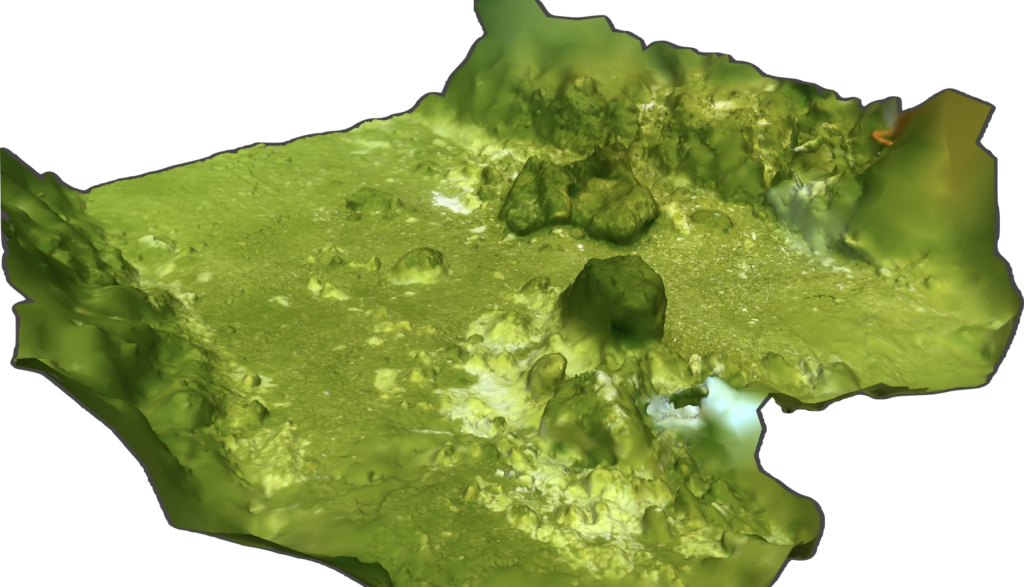
But, what is the most appropriate software for the structure-from-motion analysis?…