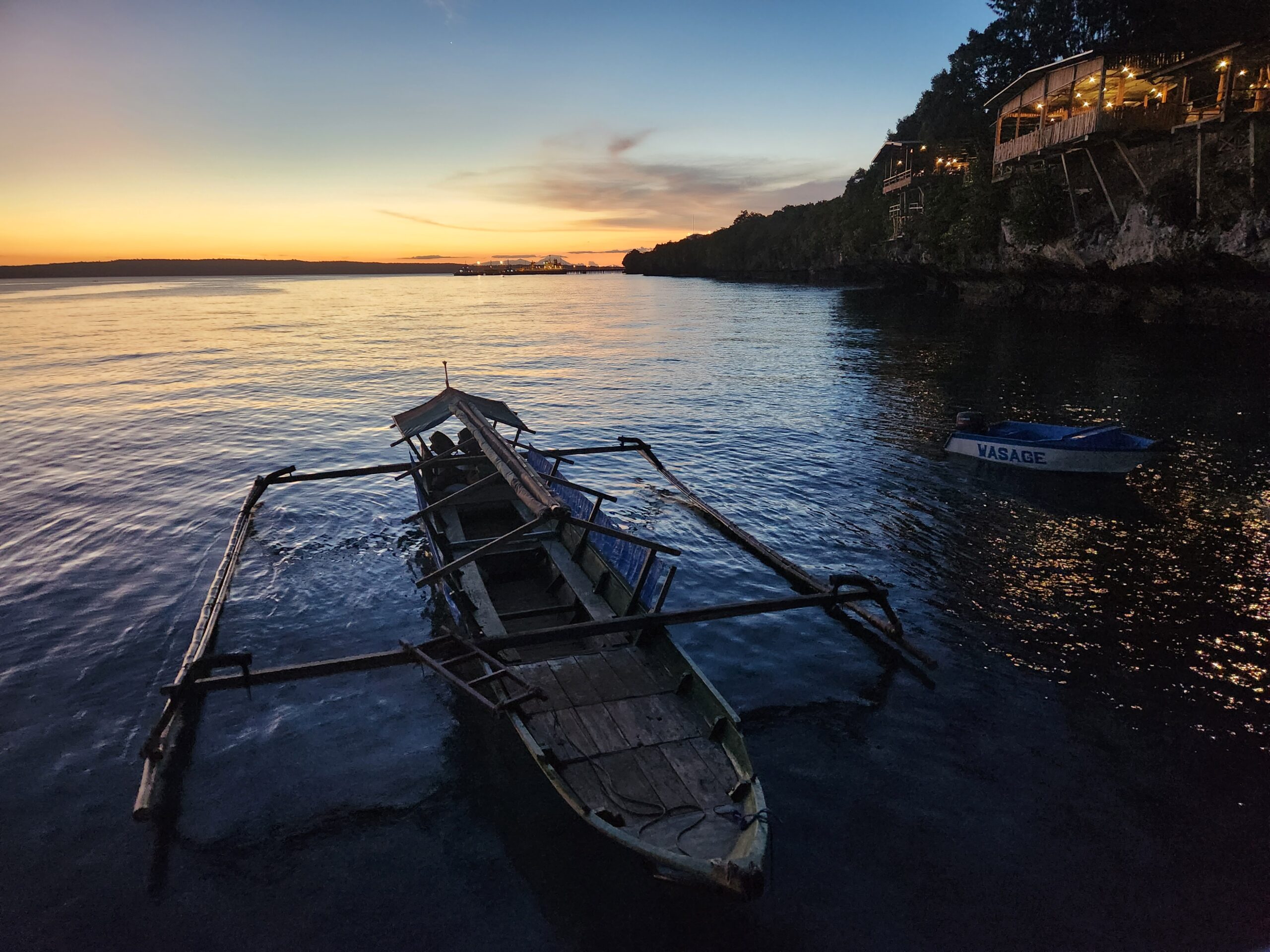
Every year, the University of Essex takes an adventurous group of undergraduate and Masters students studying tropical marine biology to the Operation Wallacea field base in Bau Bau, South-East Sulawesi, Indonesia. Although students are well briefed during the Autumn and Spring terms before departure, nothing quite prepares them for the reality of the journey (four flights over two days) and the pace at which the expedition begins.
Within hours of arriving, students are learning and refining the skills that underpin scientific diving: this is an expedition, not a holiday. The days are long, the work is demanding, and most participants return home feeling like they need a rest but it is precisely this intensity that makes the experience so valuable.
Preparing to dive: Building confidence
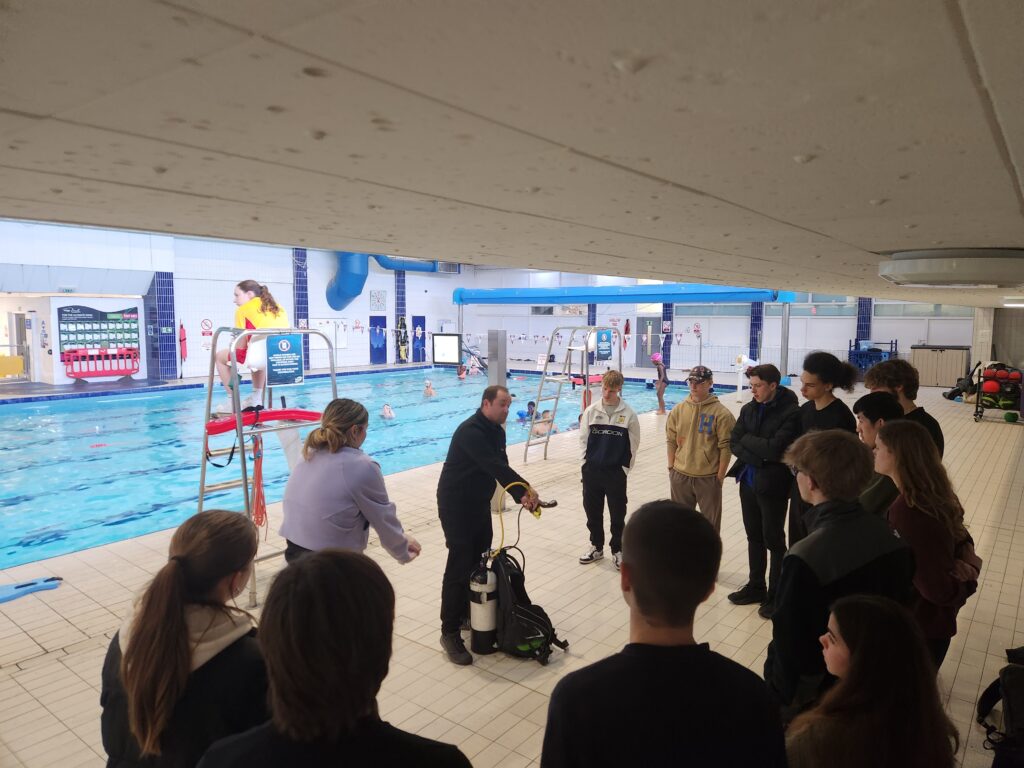
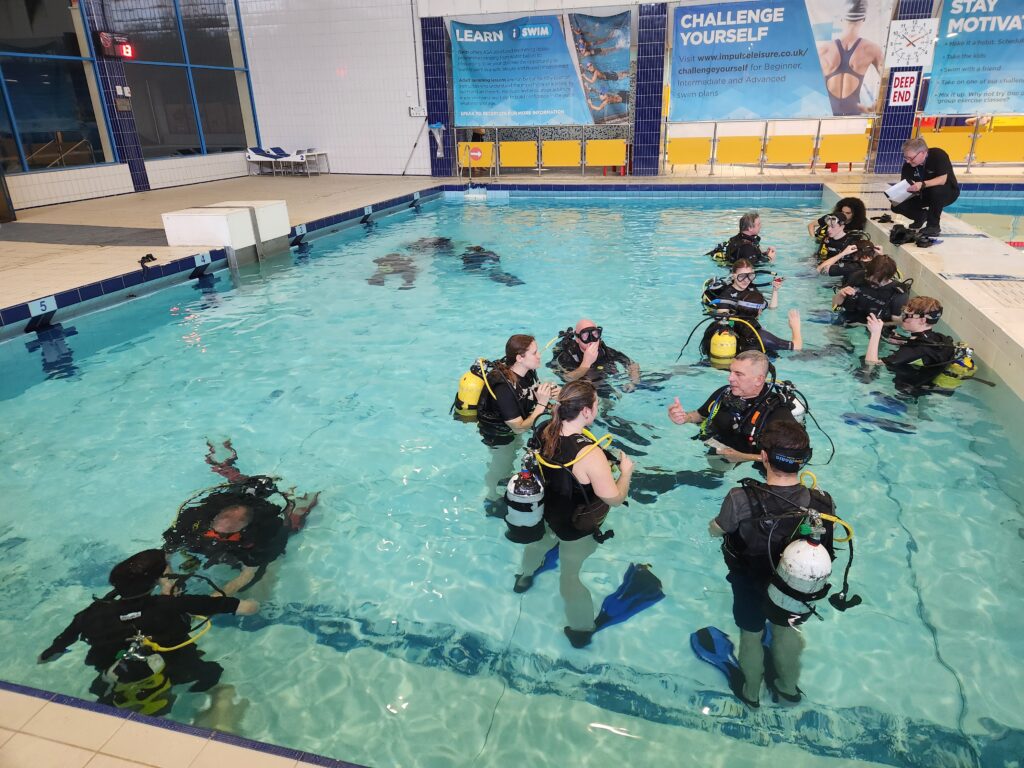
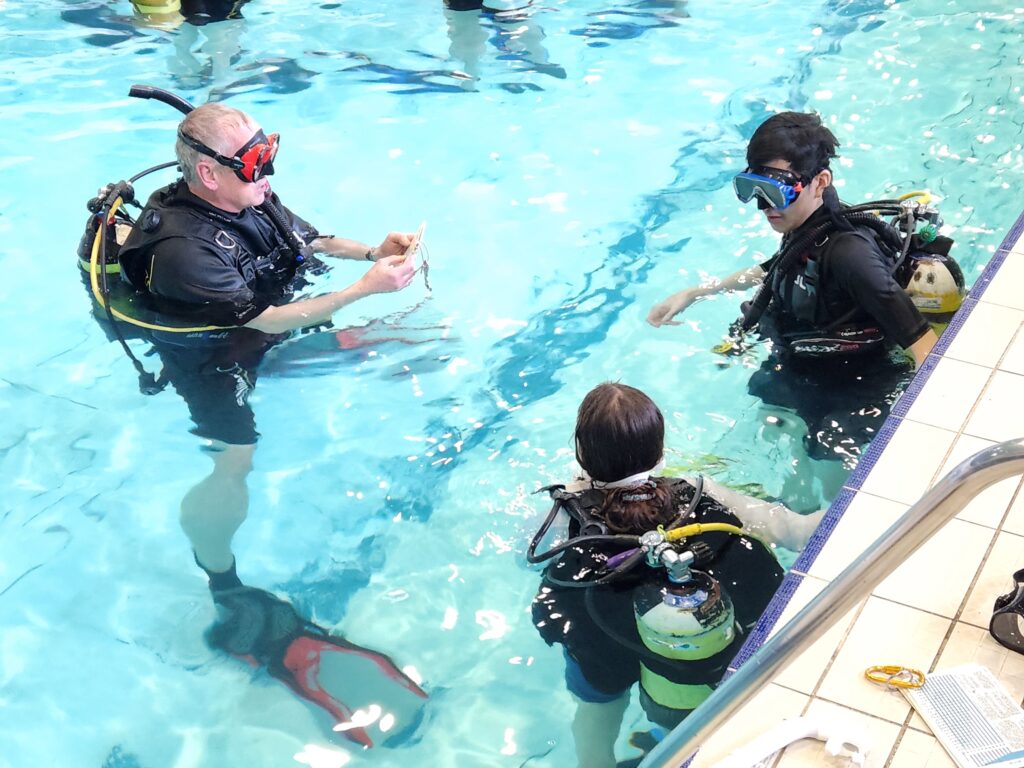
In preparation for the expedition, students without prior diving experience were given the opportunity to try SCUBA diving through Discover Scuba Diving (DSD) sessions with Dive Mania, based at Blackshots pool in Thurrock. These sessions provide an introduction to diving techniques and equipment, allowing students to experience breathing and moving underwater for the first time.
Dive Mania’s instructors guided students through key skills such as regulator recovery, mask clearing, and adapting to movement in a three-dimensional environment, fundamental not just for recreational diving, but for scientific work underwater. Many students enjoyed the experience so much that they returned in February and March to complete their confined water dives for the PADI Open Water qualification.
By completing this training in advance, students arrived in Indonesia with a strong foundation in diving skills. This early preparation proved invaluable, enabling them to progress quickly into open water training and, importantly, to focus on developing the additional competencies required for scientific diving.
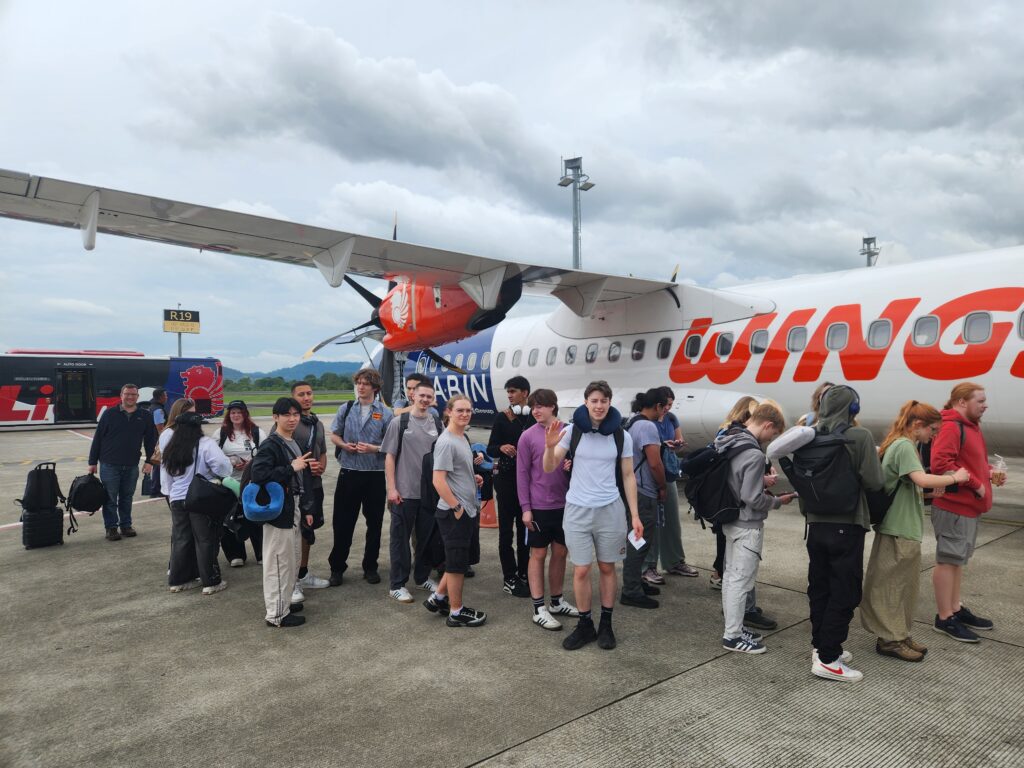
The journey
With bags packed, the group gathered in the University car park at 6am to begin the journey. Impressively, no one forgot their passport although we did, briefly, leave our expedition leader behind (he caught up a few days later).
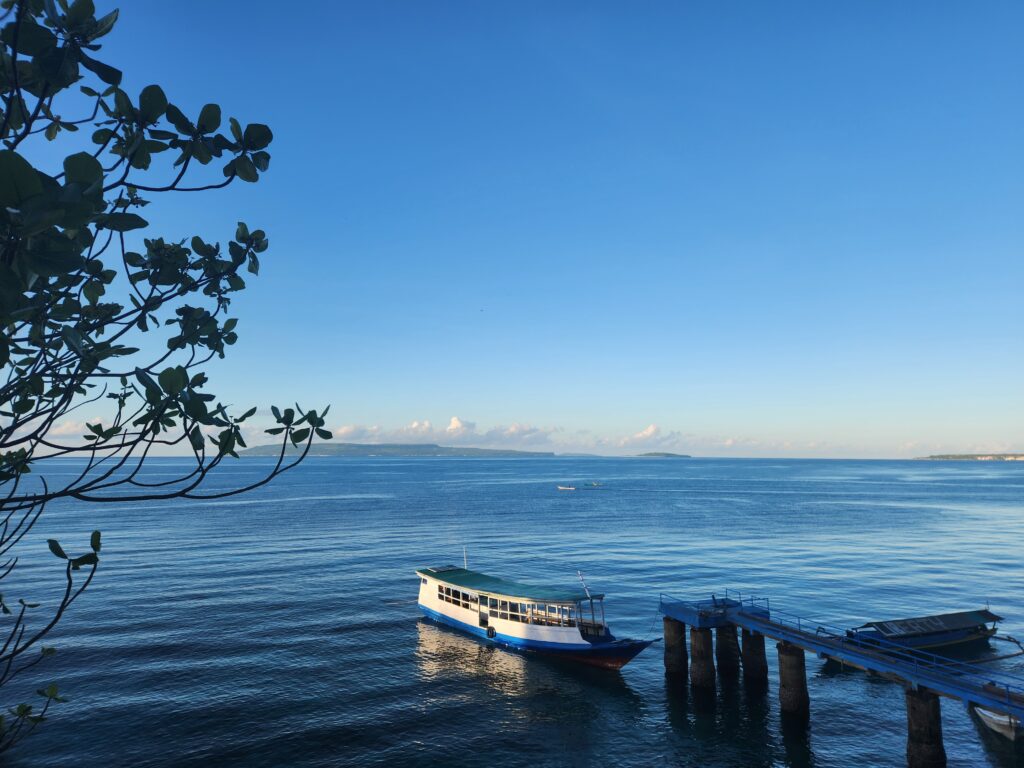
A layover in Jakarta provided a welcome opportunity to rest and reset before continuing on to Makassar. From there, the transition into a different cultural and environmental setting becomes increasingly apparent, from the sweet-smelling roti breads and incense at the airport to the final arrival in Bau Bau at sunset. A short transfer brings the group to Nirwana Beach Villas, perched on a cliff overlooking the Banda Sea, an exceptional base for the next ten days of intensive field training and research.
Scientific diving: From qualification to application
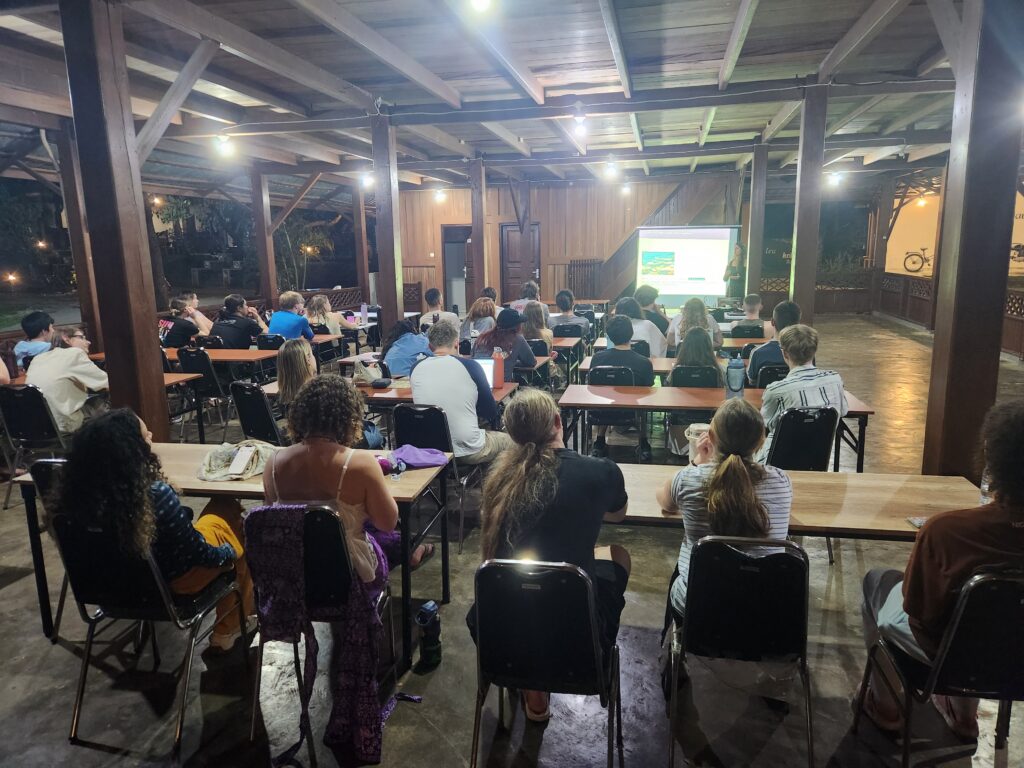
There is a strong element of ecological knowledge taught during the field course, supporting other modules students have studied during the year. From identification and taxonomy of major marine groups, through to anthropogenic impacts and conservation, the first week covers all major topics of tropical marine biology.
In addition, the first week is structured to bring all students, regardless of prior experience, to a level where they can participate safely and effectively in scientific diving.
- Students new to diving spend the majority of the week completing their Open Water qualification, progressing from confined water training to open water dives.
- Those who completed referral training in the UK finalise their certification more quickly and begin developing additional skills.
- Already-qualified divers focus on advanced techniques such as buoyancy control, equipment handling, and underwater navigation, alongside exploratory dives in the region.
By the end of the week, all students are qualified divers and we finish the week with dives at Siompu Island, where encounters with sharks and turtles reinforce both the ecological richness of the region and the importance of its conservation.
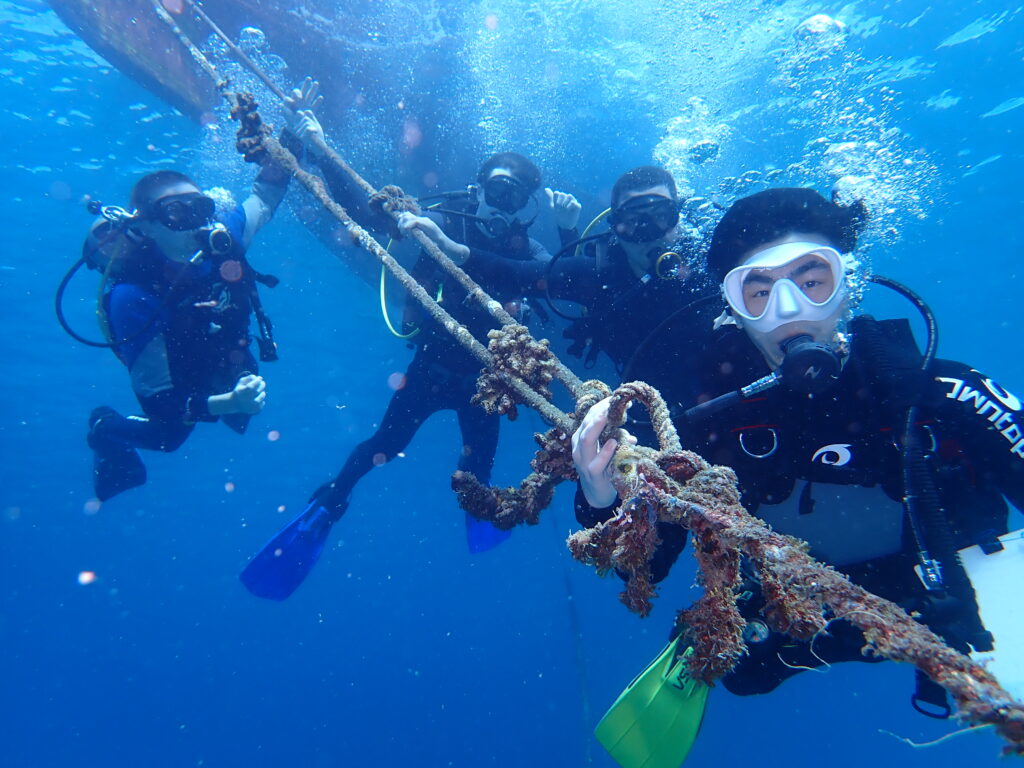
However, qualification is only the starting point. Scientific diving introduces a significantly higher level of complexity and task loading. Divers must maintain good buoyancy while deploying transects, recording observations, managing equipment, and working as part of a coordinated team, all while adhering to strict safety and methodological standards.
The second phase of dive training therefore focuses on refining these skills. Mixed-experience teams encourage peer learning, while close supervision from the dive team ensures that standards remain high. This progression, from basic competence to applied scientific skill, is central to the expedition’s training philosophy.
Group projects in a global biodiversity hotspot
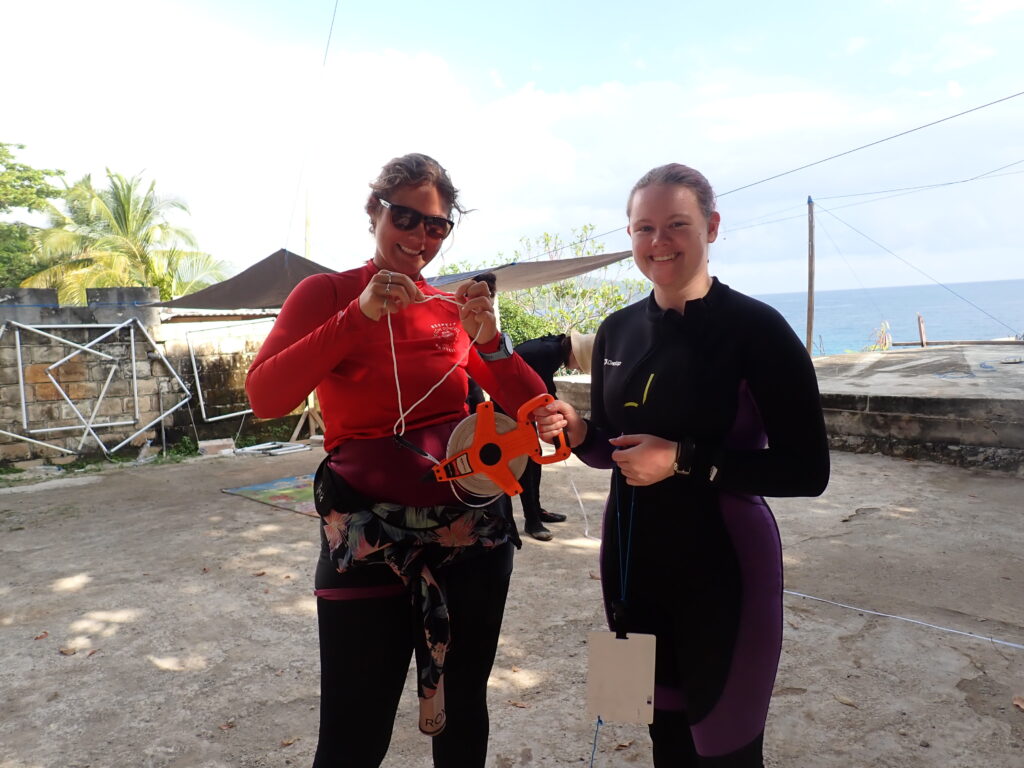
The second week of the expedition shifts the focus from training to applied study. Students work in small teams to design and execute their own scientific projects, taking full ownership of the process.
Within a five-day period, each group:
- Develops a research question
- Designs a data collection methodology
- Plans and executes scientific dives
- Conducts data analysis
- Presents their findings in a formal 20-minute presentation, including questions
This process mirrors the structure of larger-scale academic projects, providing students with a condensed but authentic experience of what is required at PhD or postdoctoral level.
Project topics reflect key challenges in marine science and conservation. These included:
- The impact of artificial reefs on fish community structure
- Relationships between habitat complexity and biodiversity
- Patterns in mushroom coral abundance and diversity
- The influence of reef health on community composition and animal behaviour
Conservation impact
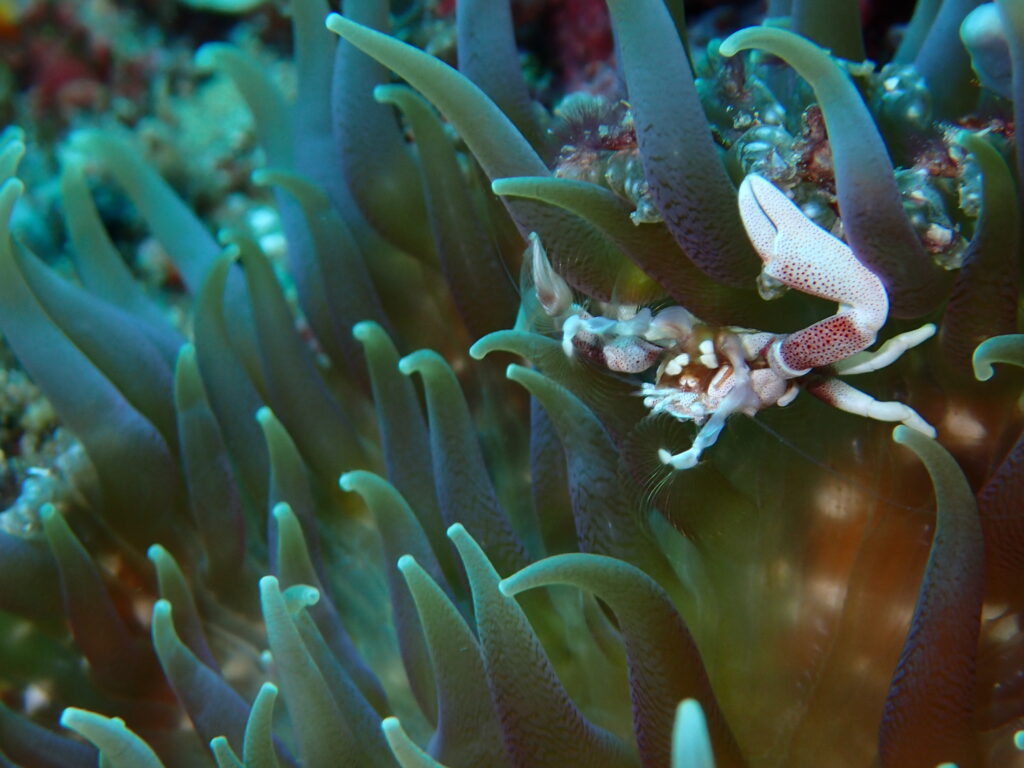
A key strength of the expedition is its direct connection to conservation. The reefs of South-East Sulawesi are part of the Coral Triangle, a region of global importance that is facing increasing pressure from climate change, overfishing, and habitat degradation.
By training students in scientific methods and enabling them to collect ecological data in situ, the programme contributes to a broader effort to monitor and understand these ecosystems.
Perhaps more importantly, the experience fosters a conservation mindset. Students gain first-hand exposure to the fragility and complexity of marine ecosystems, reinforcing the importance of evidence-based conservation and sustainable management. This alignment between education and conservation is central to the ethos of both the University of Essex and Operation Wallacea.
Career development and professional skills
Beyond the immediate scientific outcomes, the expedition plays a significant role in shaping students’ future careers. Participants leave with:
- Practical experience in scientific diving and underwater survey techniques
- A clear understanding of the research process, from design to presentation
- Enhanced teamwork and leadership skills developed in challenging field conditions
- Experience presenting scientific projects to an academic audience
These are highly valued skills for careers in marine biology, conservation, environmental consultancy, and academia. For many students, the expedition provides a turning point, transforming abstract academic interests into clear professional ambitions.
The ability to design and execute a research project under real-world conditions is particularly important. It demonstrates not only technical competence, but also resilience, adaptability, and critical thinking—qualities that are essential for postgraduate study and research careers.
Thank you so much for such an amazing trip! Genuinely the happiest two weeks of my life. These weeks since being back home I have the strongest urge to return to Indonesia!
Undergraduate participant in the 2026 field trip
Life above water
Even with a packed schedule, students still find time to explore the local area. Visits to Bau Bau’s night market, historic fort, and surrounding viewpoints provide cultural context and a chance to engage with the local community.
The arrival of a large group of international students rarely goes unnoticed, and local residents are keen to practice English and take photos. These interactions add an important social and cultural dimension to the expedition.
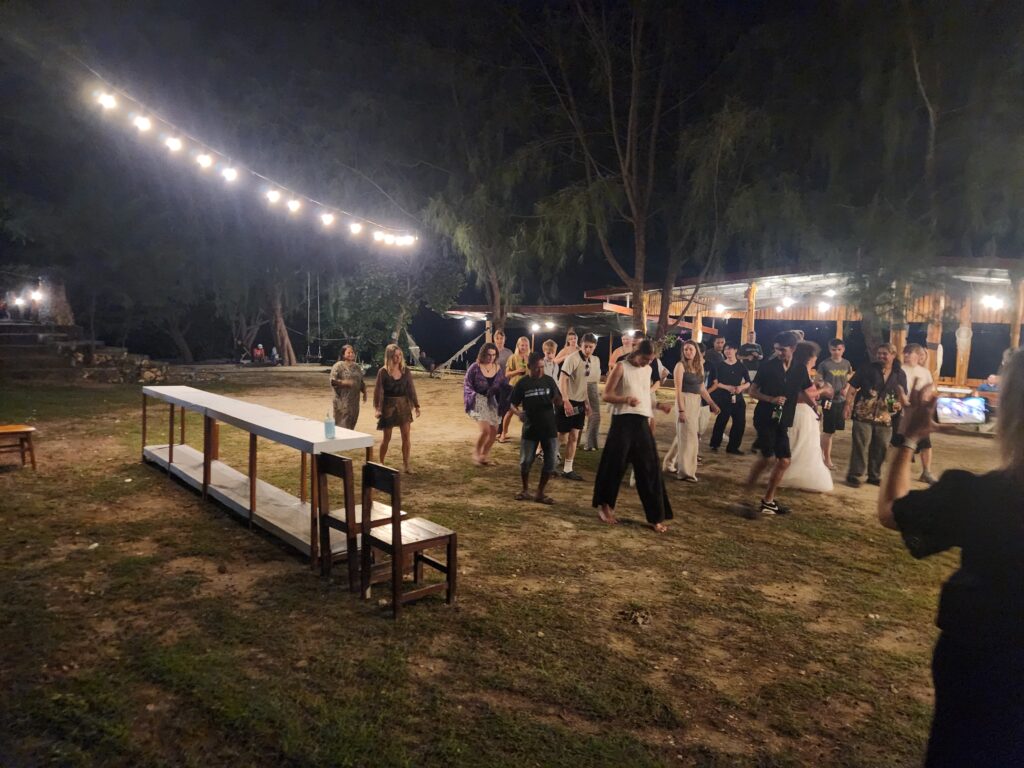
Evenings provide opportunities to unwind and debrief on the activities of the day. On social nights karaoke and dancing featured prominently, particularly once the expedition leader finally arrived to join in.
A team effort
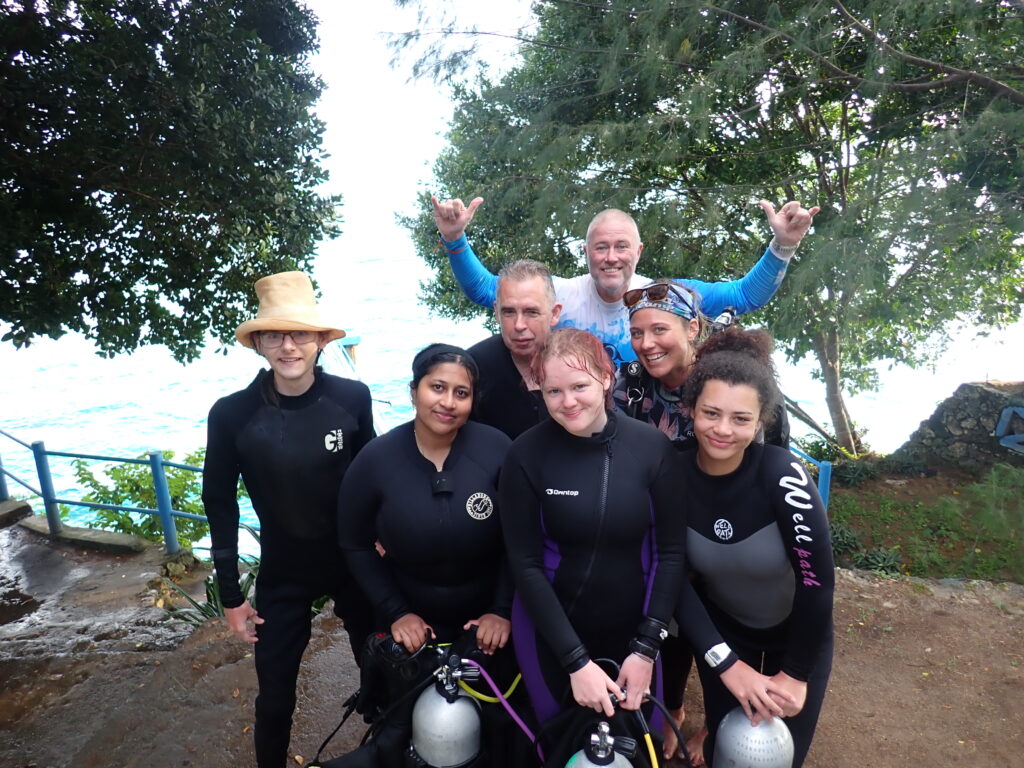
The success of the expedition depends on a wide network of contributors. The Operation Wallacea team, including Mo, Imin, and Lisna, play a crucial role in coordinating travel, managing logistics, and ensuring that on-site operations run smoothly.
Equally important is the international team of divemasters and instructors—Abi, Steve, Kam, Cath, Holly, Mel, Russ, Cailin, Caro, Laurel, Robyn, Sudipta, Mike, and Louis—who maintain the highest standards of training and safety while supporting students in developing their scientific diving skills.
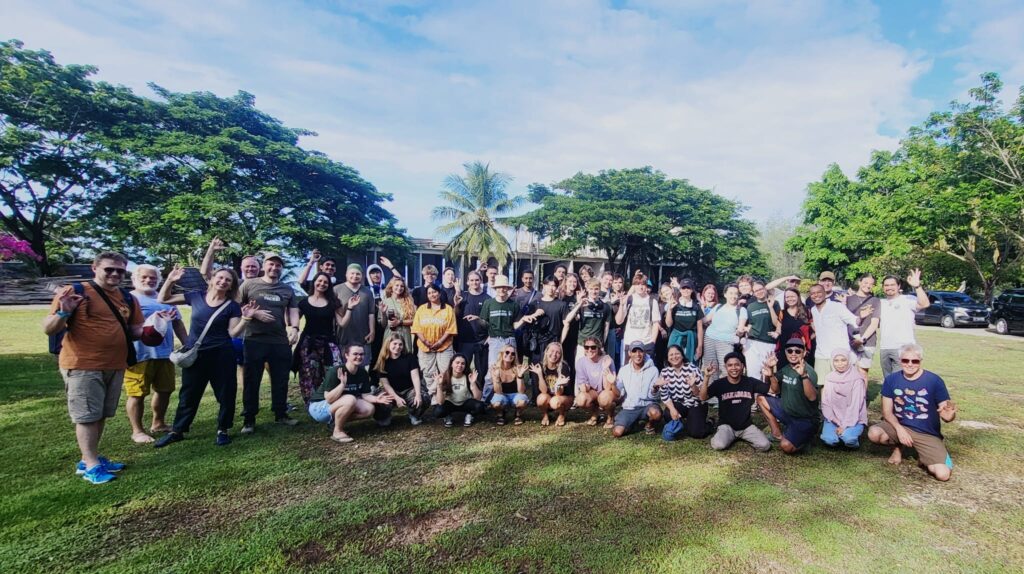
I just wanted to take the time to thank you again for the wonderful trip to Indonesia. It really was amazing, but you guys made it even more special! Thank you all so much for this incredible opportunity.
MSc participant in 2026 field trip
Why field expeditions matter
Fieldwork remains one of the most powerful forms of learning in marine science. It bridges the gap between theory and practice, challenges students to apply their knowledge in complex environments, and develops the skills needed to conduct meaningful research.
The University of Essex expedition to Indonesia exemplifies this approach. It is demanding, immersive, and deeply rewarding—equipping students not only with technical expertise, but also with the perspective and confidence needed to contribute to global marine conservation efforts.
For prospective students and early-career researchers, it offers something unique: the opportunity to become not just learners of marine science, but active participants in its practice.